

What Is Padel?
Curious what padel – the fastest-growing sport in the world – is all about? Read on.
- By Jamie Rowe
- 9-Minute Read
Contents
What is padel?
Padel is one of the fastest-growing sports in the world with over 35 million players, combining elements of tennis and squash in a social, fast-paced format. It’s played in doubles (2v2) on an enclosed court. (However, padel singles court do exist, although rare.) Padel is easy to pick up for beginners yet deeply tactical at higher levels.
Quick summary
Feature | Explained |
|---|---|
Number of players | Two players vs. two players. Four in total. |
Court size | About one third the size of a tennis court. 20m x 10m. |
Enclosed court | Surrounded by glass and cage. |
Racket type | Solid, stringless racket with holes. |
Padel balls | Similar to tennis balls, but lower internal pressure for a slower bounce. |
Padel serve | The serve is always underhand, and contact must be at or made below waist height. |
Padel scoring | Similar to tennis (0, 15, 30, 40, game). Best out of 3 sets. New “Star Point” for 2026 – a golden point with a twist. |
Rapid growth | 35M active players worldwide, 77,000 padel courts, and padel is played in over 150 countries. |
Olympic inclusion | Currently not in the Olympics. However, pushing to be included in 2032. |
Padel’s origin | Padel originated in Mexico in 1969 by Enrique Corcuera. |
How is padel played?
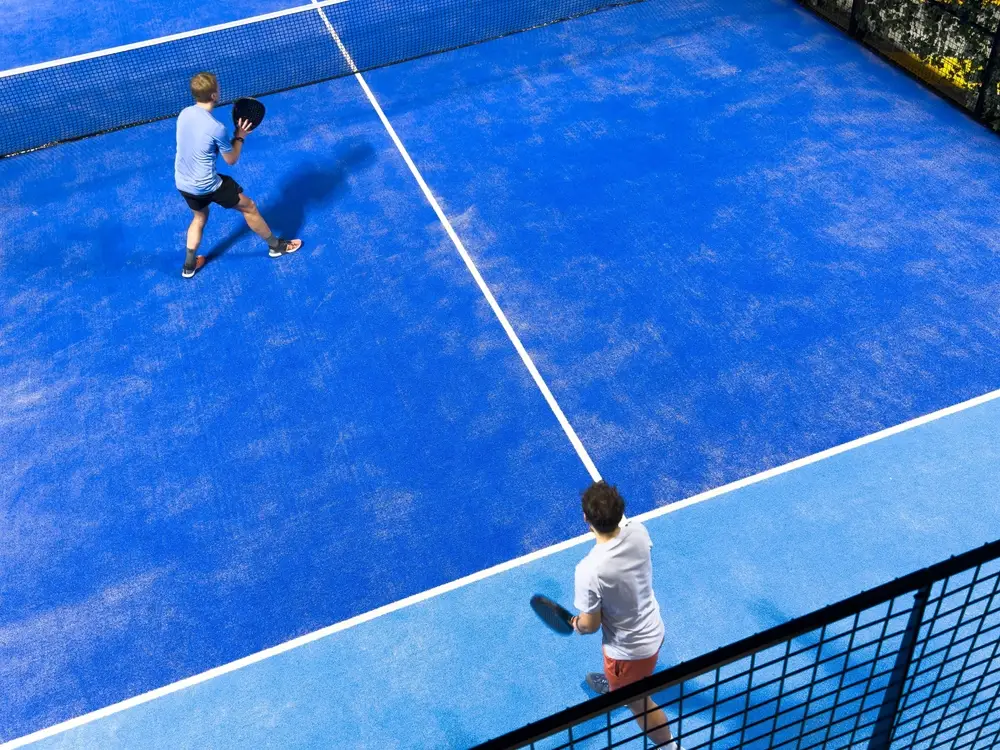
Padel is played in doubles on an enclosed court that’s about one third the size of a tennis court. The rules are similar to tennis, with an underarm serve and rallies where the ball may be returned after bouncing and hitting a wall. What makes padel unique is that the surrounding glass walls are in play, allowing the ball to be played off them during rallies. Points are scored using the same system as tennis, but the smaller court and use of walls make padel more accessible and social.
The padel court
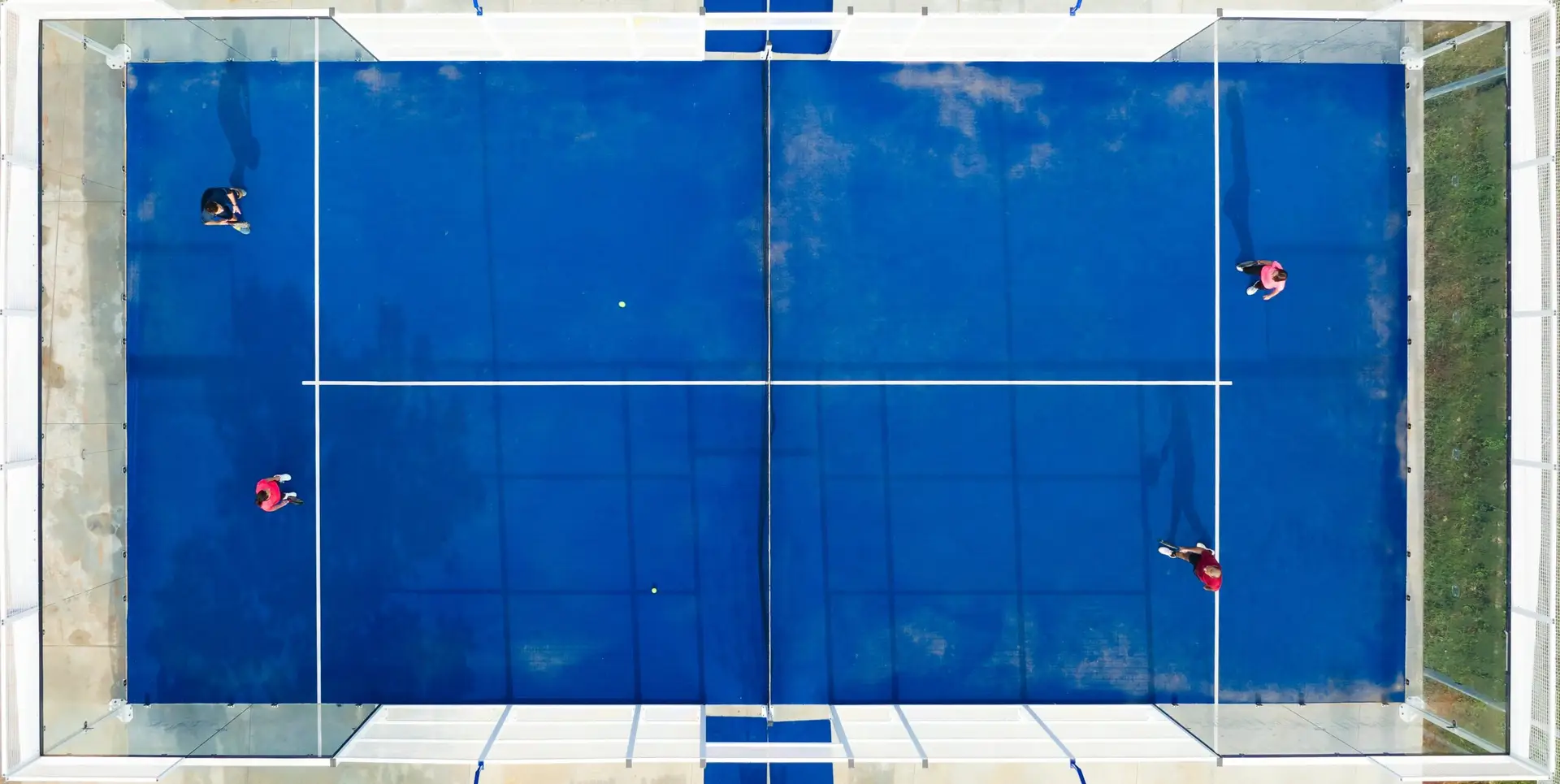
A padel court measures 20 metres long by 10 metres wide and is enclosed by a combination of glass walls and metal mesh (cage). The court is divided in half by a net, with clearly marked service boxes on each side. Unlike many racket sports, the walls are an integral part of the court itself, forming a fixed and consistent playing environment. Padel courts can be indoors or outdoors (with or without a cover, depending on the climate).
The rules in padel
Padel is played in doubles, with two players per team. The game follows a tennis-style scoring system (0,15, 30, 40, game), and matches are usually played as the best of three sets. Starting in 2026, the “Star Point” has been introduced, which is similar to a Golden Point.
Play begins with an underarm serve (must be at or below waist height), hit diagonally into the opponent’s service box after the ball has bounced once. During rallies, the ball may bounce once on the court and can then be played off the glass walls, but it must not hit the ground twice. Points are won when the ball bounces twice on the opponent’s side (generally speaking), hits a wall or goes out of bounds before bouncing, or cannot be returned legally.
How does professional padel work?
The sport is governed by the International Padel Federation (FIP), with elite competition taking place on the Premier Padel circuit. Matches follow official rules, using tennis-style scoring and a best-of-three-sets format. Professional padel is played on standardised courts with professional surfaces and lighting. You can watch Premier Padel for free on Red Bull TV (although geographical restrictions may apply).
What padel equipment is used?
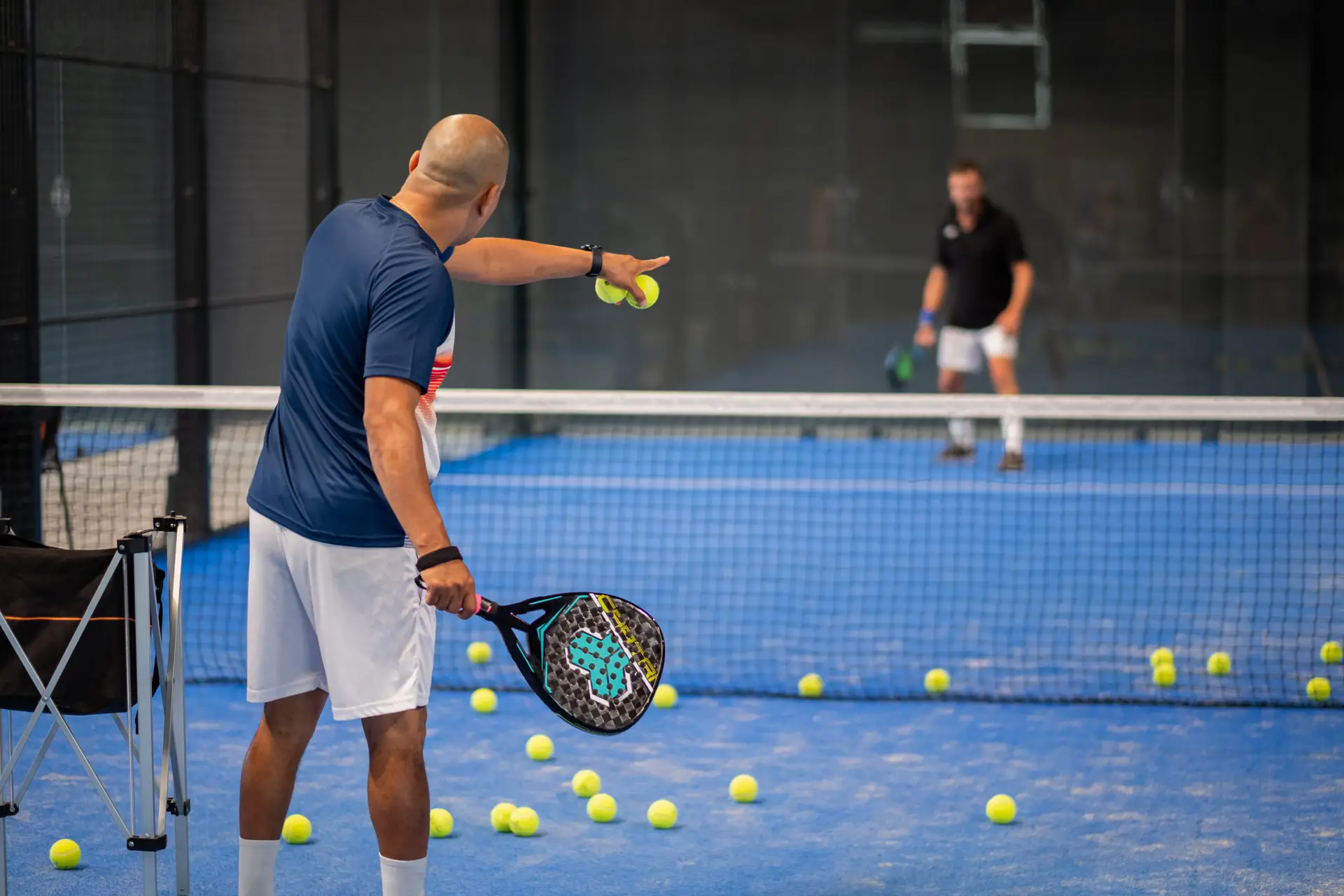
Padel is played with a solid, stringless padel racket, usually made from composite materials and designed with perforations (holes) to improve control and manoeuvrability. The game uses padel-specific balls, which are similar to tennis balls but have slightly lower pressure (for a slower bounce). Players typically wear padel shoes that provide stability and grip for quick changes of direction.
Where is padel played around the world?
Padel is played globally, with its strongest roots in Spain and Argentina, where it is firmly established at both amateur and professional levels. In recent years, the sport has expanded rapidly across Europe, particularly in Italy, Sweden, and the United Kingdom. Padel is also growing fast in the United States and the Middle East, especially in the United Arab Emirates, with new clubs, tournaments, and communities emerging worldwide.
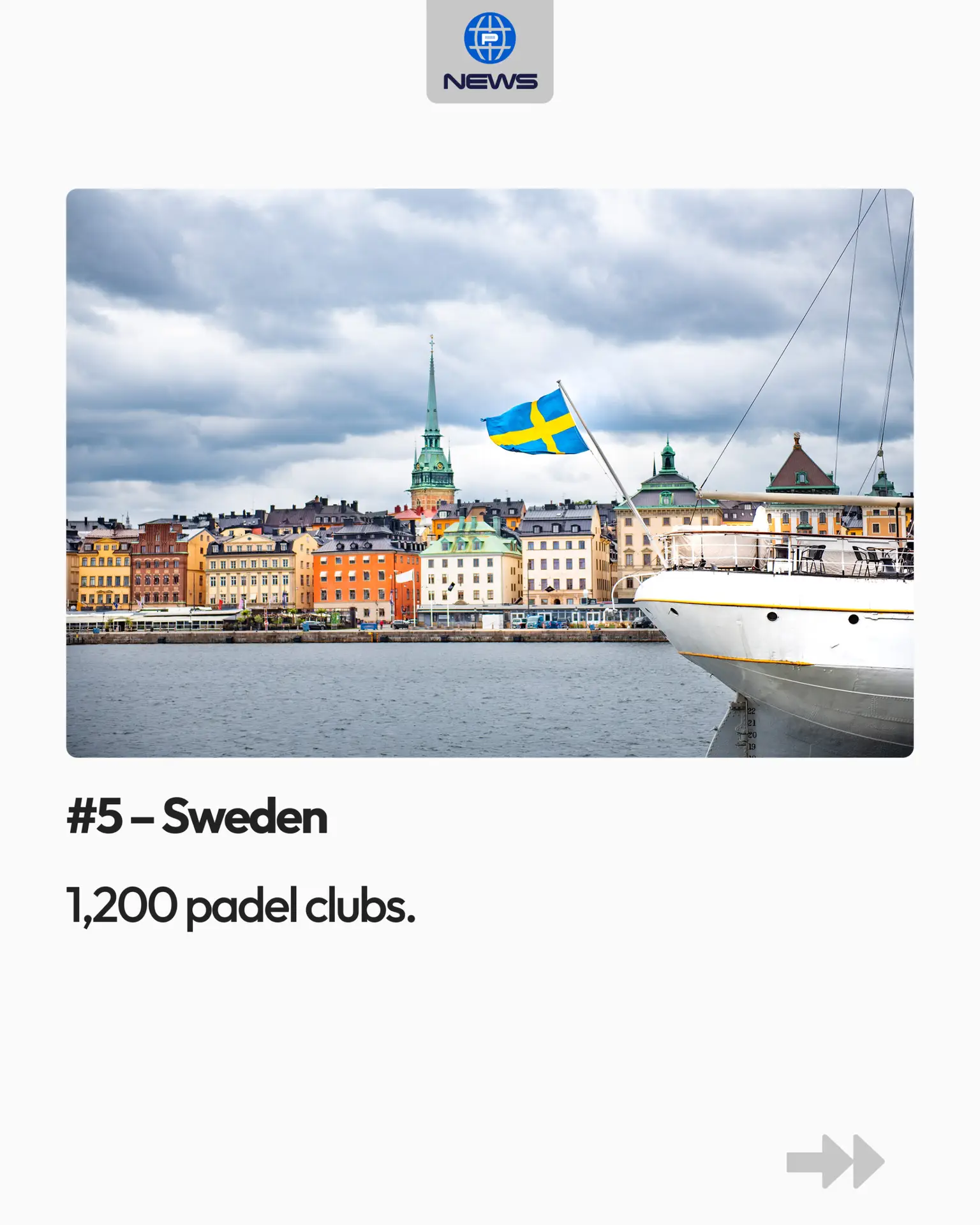
Here are the countries with the most padel clubs (as of December 2025):
- 5th: Sweden with 1200 padel clubs.
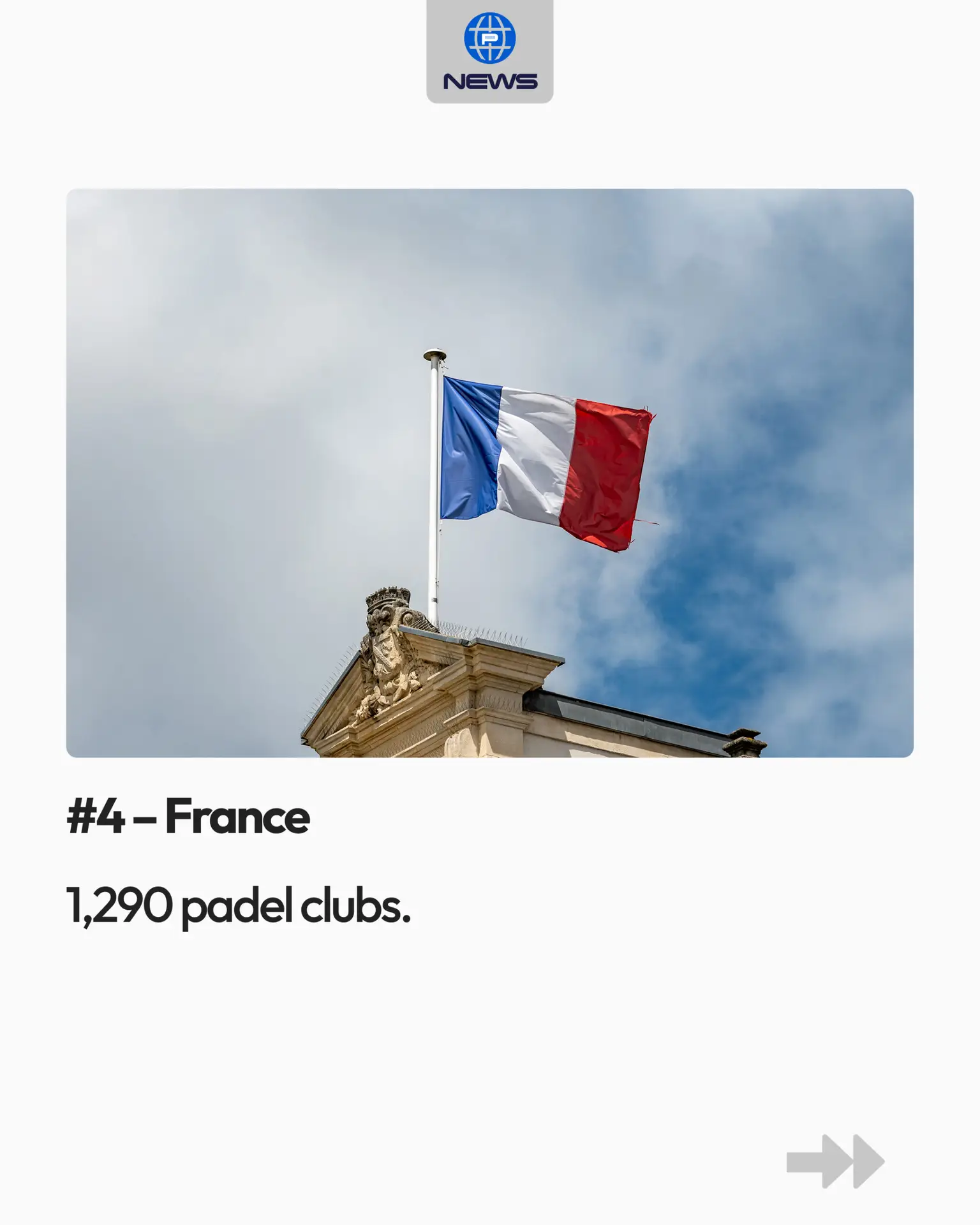
- 4th: France with 1290 padel clubs.
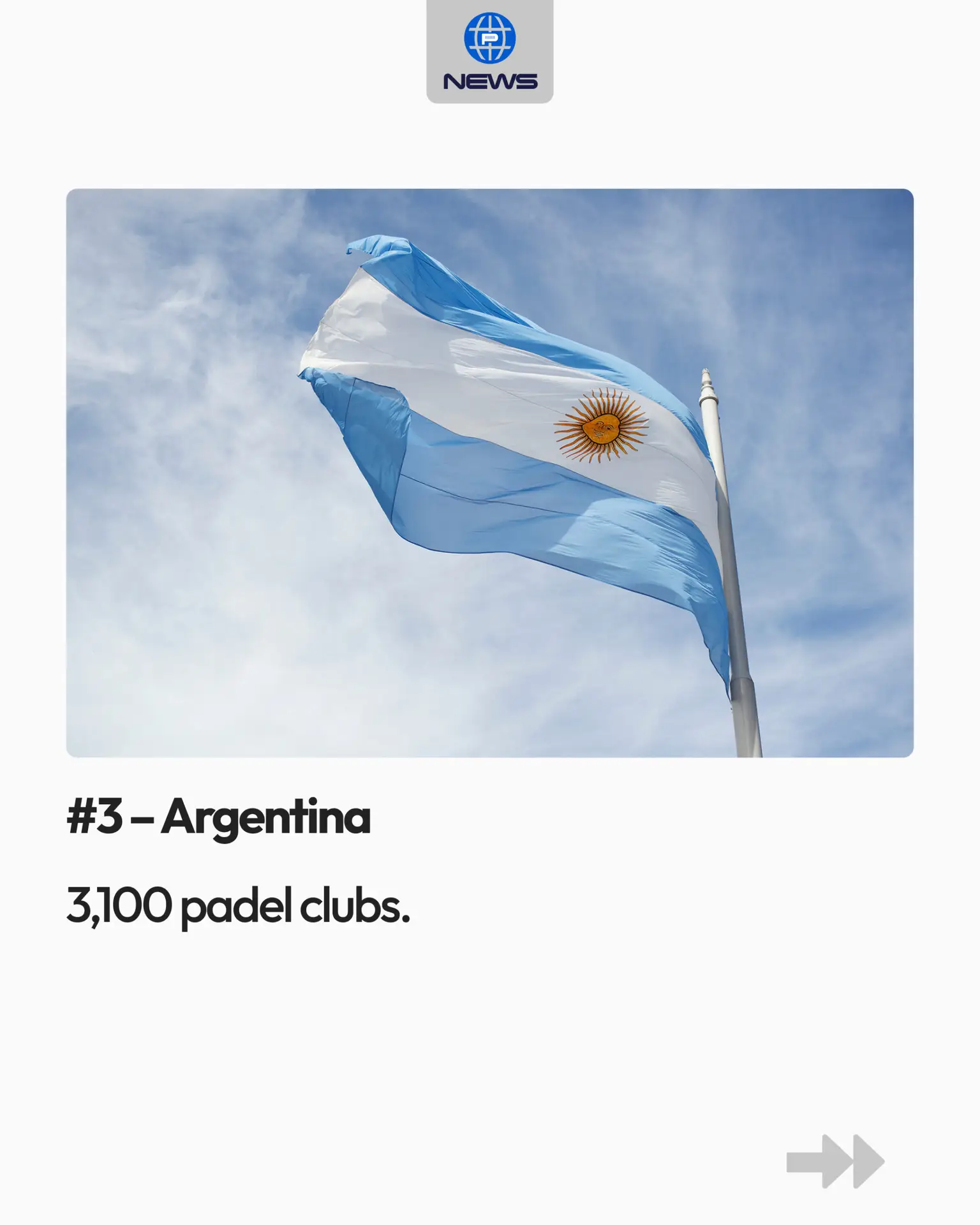
- 3rd: Argentina with 3100 padel clubs.
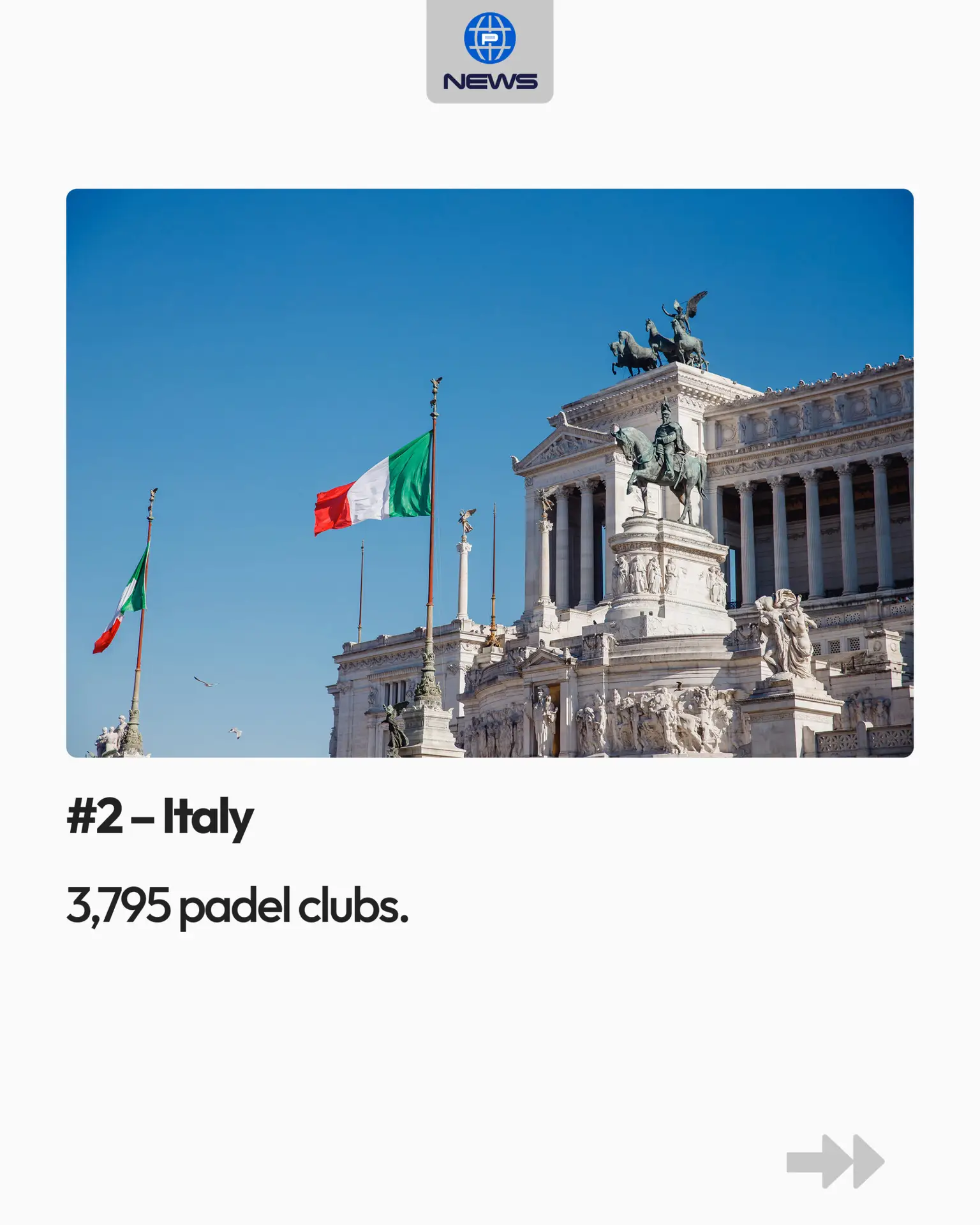
- 2nd: Italy with 3795 padel clubs.
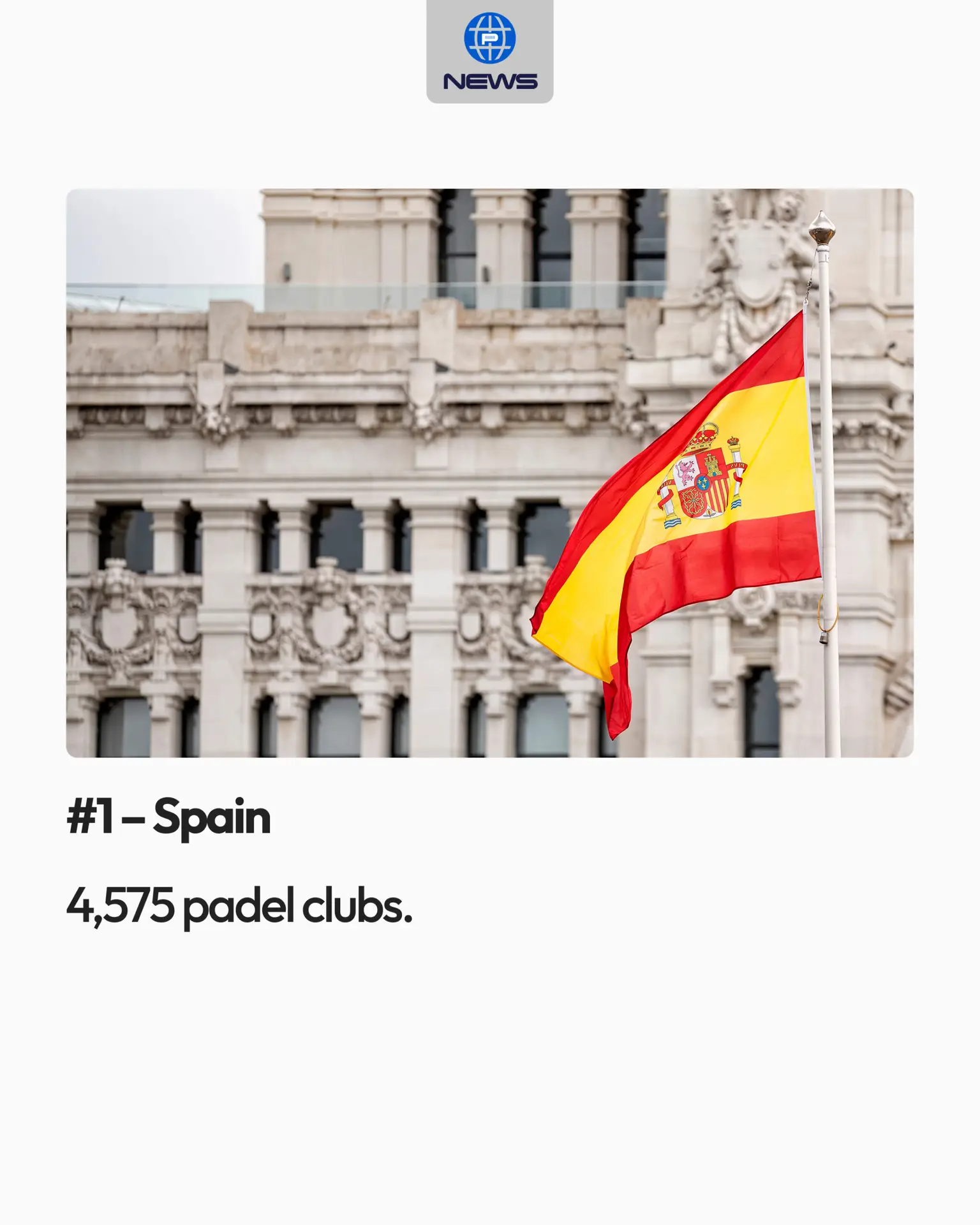
- 1st: Spain leads with 4575 padel clubs.

FAQs about padel
What is padel?
Padel is a fast-growing racket sport played mainly in doubles on an enclosed court, combining elements of tennis and squash.
Is padel played in singles or doubles?
Padel is almost always played in doubles (2v2), although singles courts do exist and are relatively rare.
How big is a padel court?
A standard padel court measures 20 metres by 10 metres, making it around one-third the size of a tennis court.
Can you use the walls in padel?
Yes, the glass walls are part of the court and can be used during rallies after the ball has bounced on the ground. However, the ball must not be hit off the cage to return the ball over the net.
How does scoring work in padel?
Padel uses tennis-style scoring (0, 15, 30, 40, game), typically played as the best of three sets, with a “Star Point” introduced from 2026.
How is the padel serve different from tennis?
The serve in padel must be played underarm, with contact made at or below waist height and hit diagonally into the service box.
What equipment do you need to play padel?
You need a solid, stringless padel racket, padel-specific balls with lower pressure, and suitable court shoes for grip and stability.
Is padel an Olympic sport?
No, padel is not currently included in the Olympics, although there is a push for inclusion in the 2032 Games.
Who governs professional padel?
Professional padel is governed by the International Padel Federation (FIP), with top-level competition on the Premier Padel circuit.
Where is padel most popular?
Padel is most popular in Spain and Argentina, with rapid growth across Europe, the Middle East, and the United States.