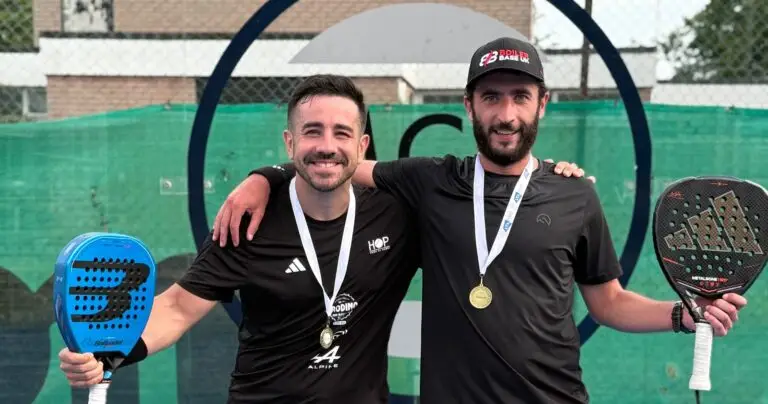


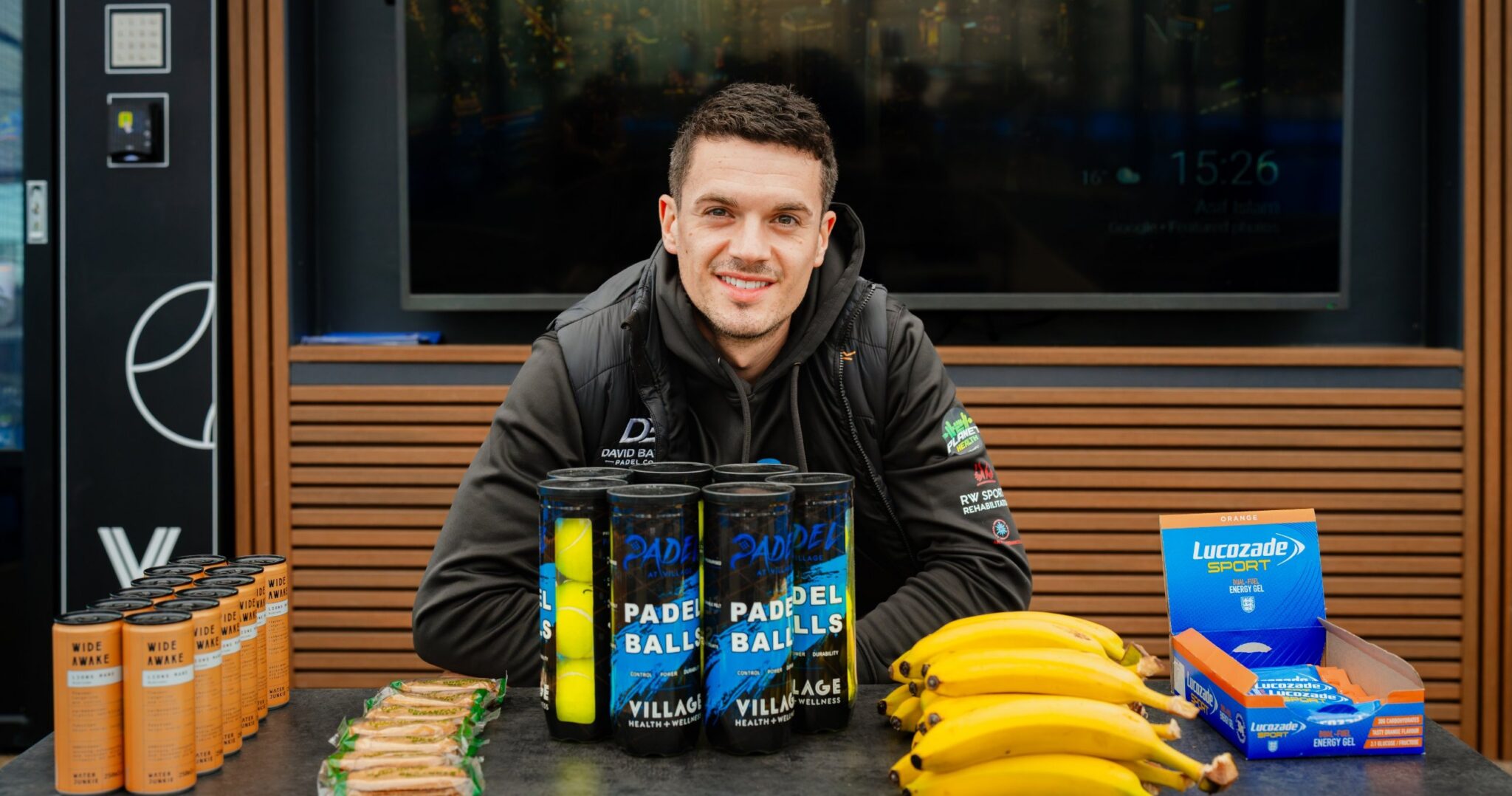


A leap of faith
Just over a year ago, David Batista left a career in the bathroom industry to coach padel full-time. There was no single defining moment behind the decision. Demand for his coaching was growing, and he had begun to see a genuine opportunity to turn something he loved into a career. At the same time, the job he already had felt stagnant.
He found himself asking whether he wanted to spend another five or ten years doing something he wasn’t passionate about, or take a risk on something he believed in. He had discovered padel relatively recently, so it was a big leap. The relationships he had built with players, and the steady demand for sessions, gave him the confidence to make it.
“If I didn’t give it a proper opportunity, I’d always wonder what could have been.”
– David Batista
What 500 hours teaches
David has coached a little over 500 hours since going full-time, and the biggest lesson isn’t technical. It is managing his own energy as carefully as his schedule. Across a full day he works with different personalities, abilities, expectations and motivations, and every session needs him enthusiastic and switched on, however many hours he has already delivered.
The volume has also shown him how much relationships matter. Technical knowledge is essential, but understanding players, knowing how to communicate with them and recognising what motivates each one can make an enormous difference. Coaching full-time means seeing development over a longer period, too. As David puts it, you are no longer just delivering lessons – “you’re becoming part of someone’s journey in the sport.”
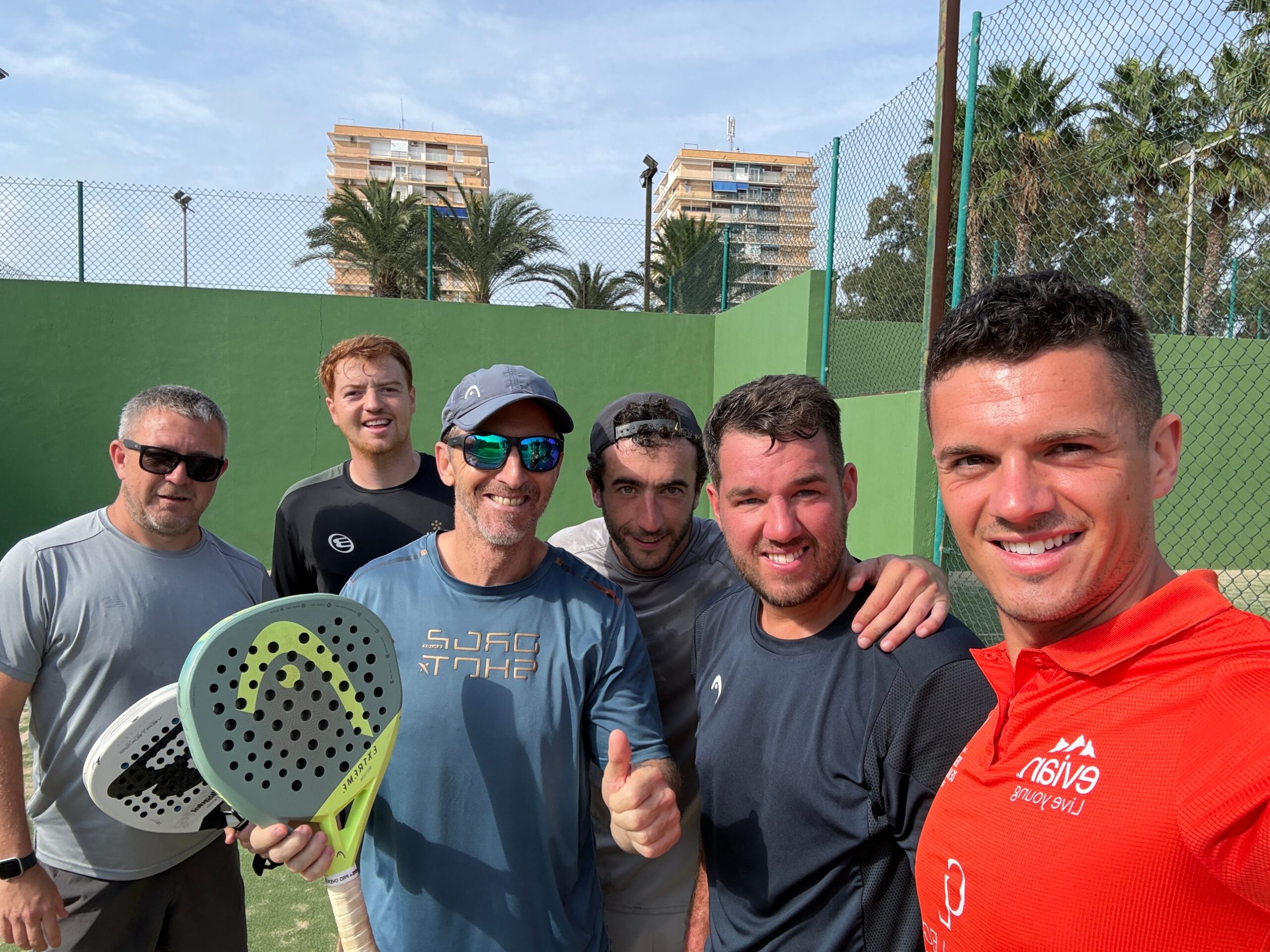
The view from the referee’s chair
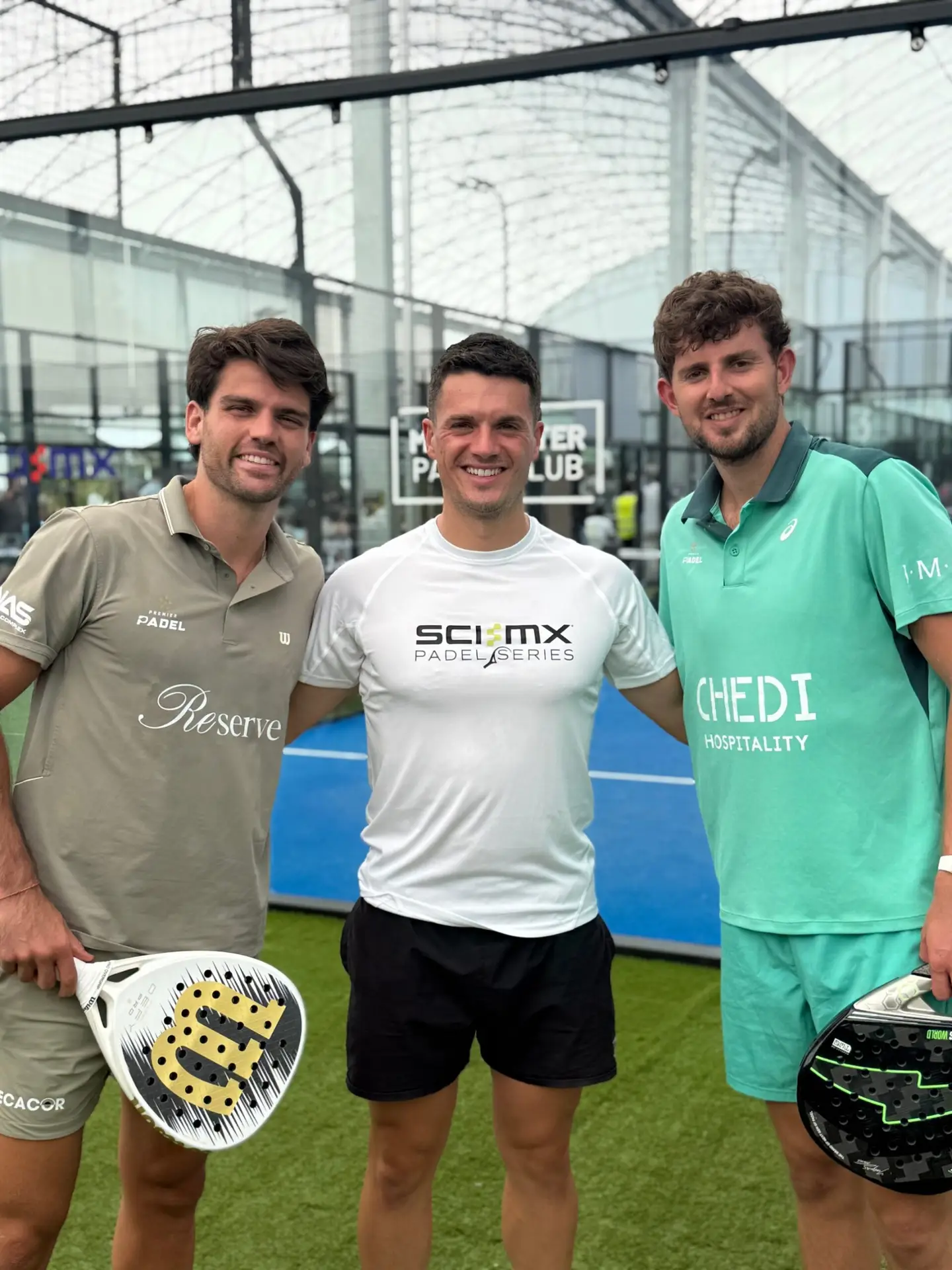
Alongside coaching, David referees and runs tournaments with Elevate Sport Padel. Officiating has given him a much greater appreciation of the competitive side of the game, and some of his most rewarding moments have come from watching players he coaches take what they have learned onto the tournament court and develop under pressure.
It has also pushed his coaching beyond technique, towards decision-making, match management, communication with a partner and handling pressure. Those can be discussed in a session, but there is no substitute for experiencing them in competition. He is emphatic that LTA tournaments matter for the development of British padel: more players need structured competition and the challenge of facing different opponents. For David, coaching and officiating complement each other.
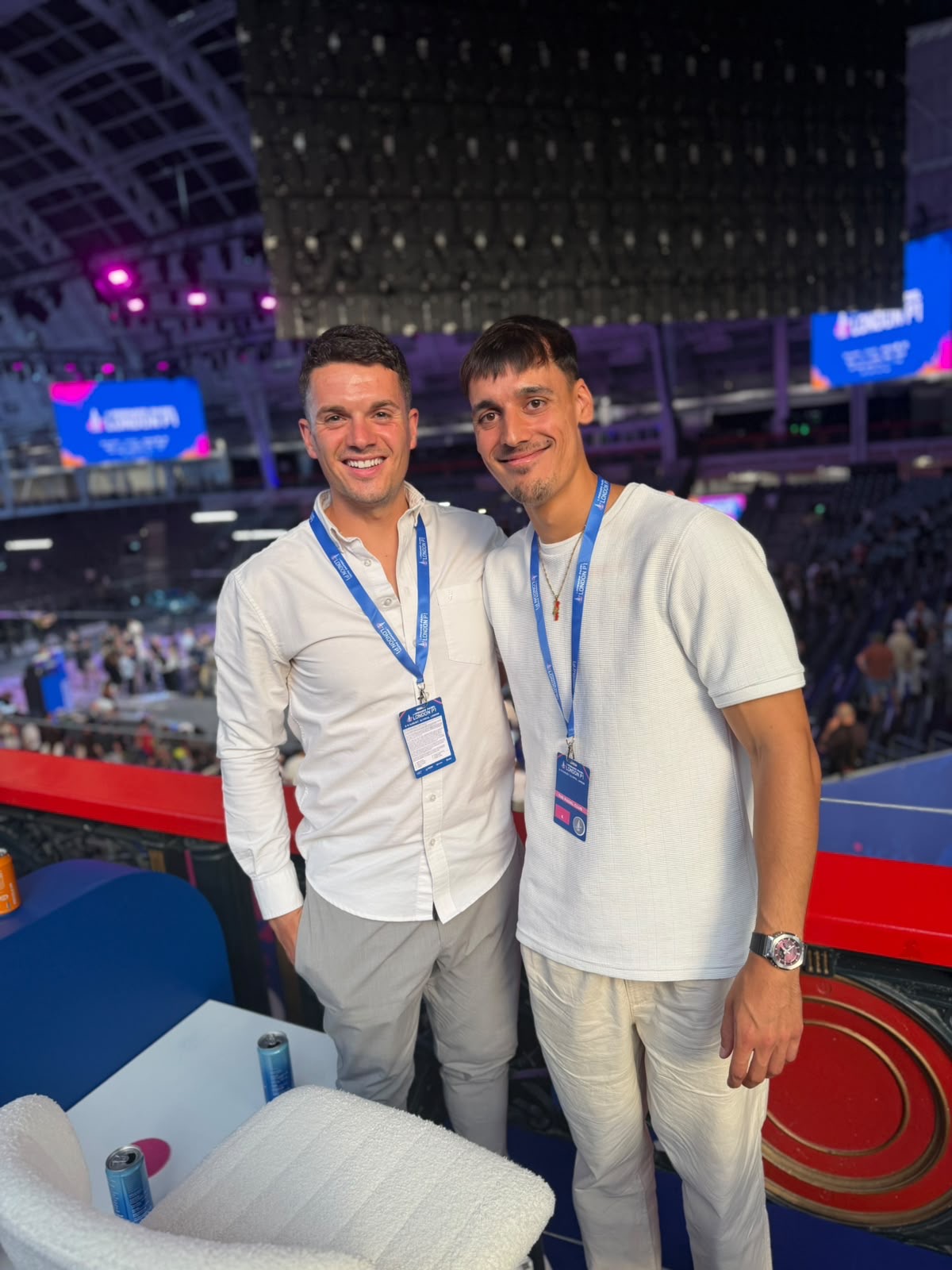
Sponsors who became players
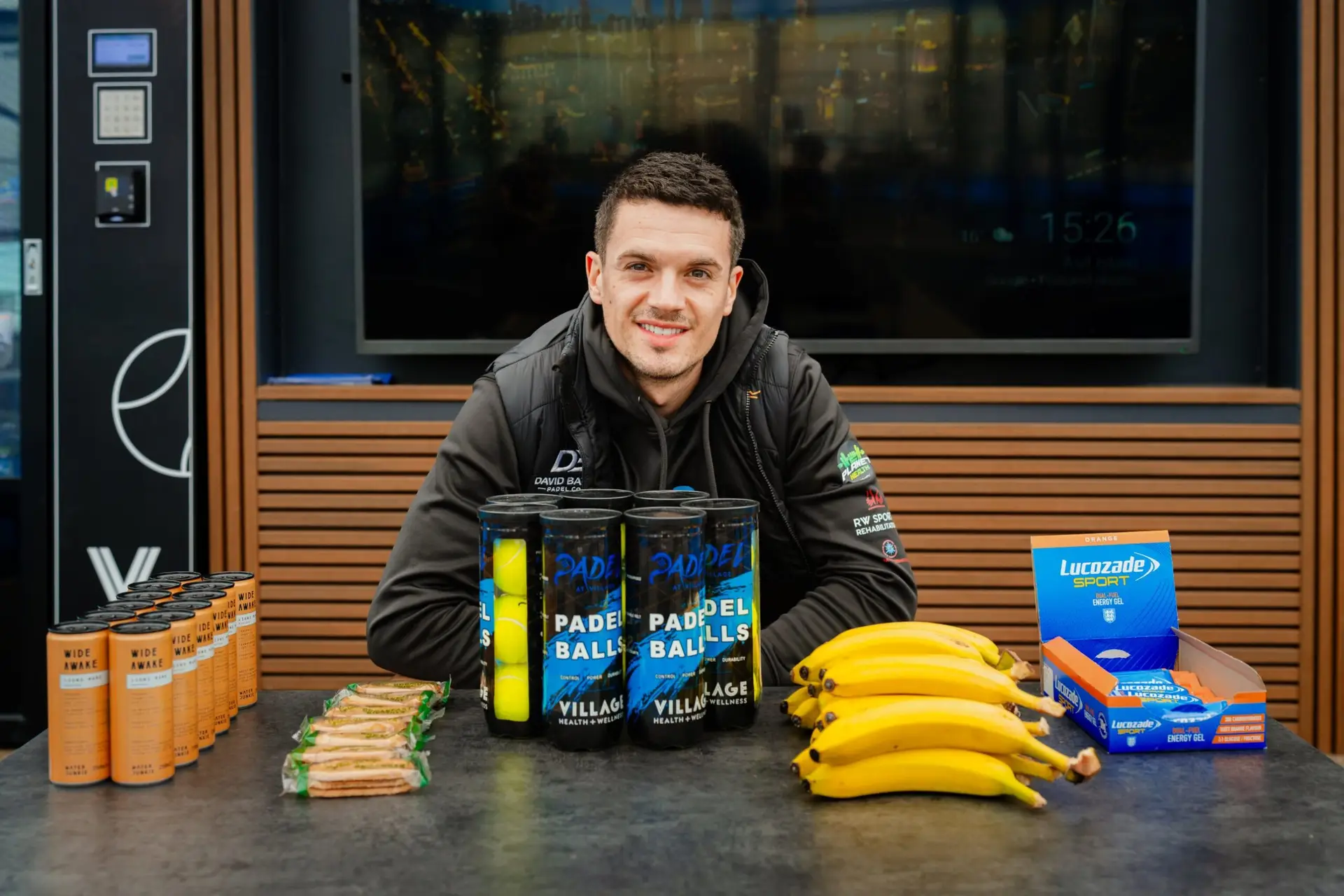
David’s sponsors include Planet Health Café, Rob Welsh Sports Rehab and Peddar Maintenance – local businesses, most of which had never played padel until he got them on court. He is careful not to overclaim on commercial return, because the relationships are still new. What has surprised him is their quality. There is a genuine personal connection, and he values it enormously.
He sees padel as a way for local businesses to become part of a social community that is growing quickly, with connections that extend well beyond the court. His view of sponsorship is simple: “sponsorship should never just be about putting a logo on a shirt.” It should be a relationship in which both sides want to support each other. Getting some of his sponsors playing is a bonus.
Growth without losing what matters
David’s concern for British padel is that the sport is in danger of commercialising too quickly. He is clear that commercial investment is essential – new facilities, better infrastructure, sponsorship and people willing to put money into the game are all positive. The risk is that a focus on the commercial opportunity loses sight of what made padel special in the first place: a social, accessible and welcoming sport built around community.
He would like to see as much investment in developing coaches, improving player pathways, creating competitive opportunities and growing grassroots participation as there is in building facilities. In his view, the long-term success of British padel won’t be measured by the number of courts, but by how many people play, how much they improve and how strong the community becomes.
Looking ahead
A big focus for David is developing his role with Elevate Sport Padel, particularly on tournament organisation and officiating. He is also set to referee The Majors, which will offer a £10,000 cash prize to each of the winning men’s and women’s teams – the biggest cash-prize padel tournament the UK has seen to date, as he describes it.
Beyond that, he wants to keep developing as a coach and official, help raise the standard of competition in the UK and create more opportunities for the players he works with. By his own account, he has never been good at standing still, and he is excited about what the next couple of months will bring.