



Martín de León trained as an architect before padel took over. Working alongside professional players at Taktika, and around events like Premier Padel, the PPL and Hexagon, turned a passion into a career. Now based in London, he is building Momentum Sports Solution and The Lab, a high-performance academy for young players. He spoke to World Padel Network about switching careers, what he notices in a club’s design, and the misconception he thinks the industry keeps making.
The switch
You trained as an architect before padel took over. When did it stop being a hobby and become your work?
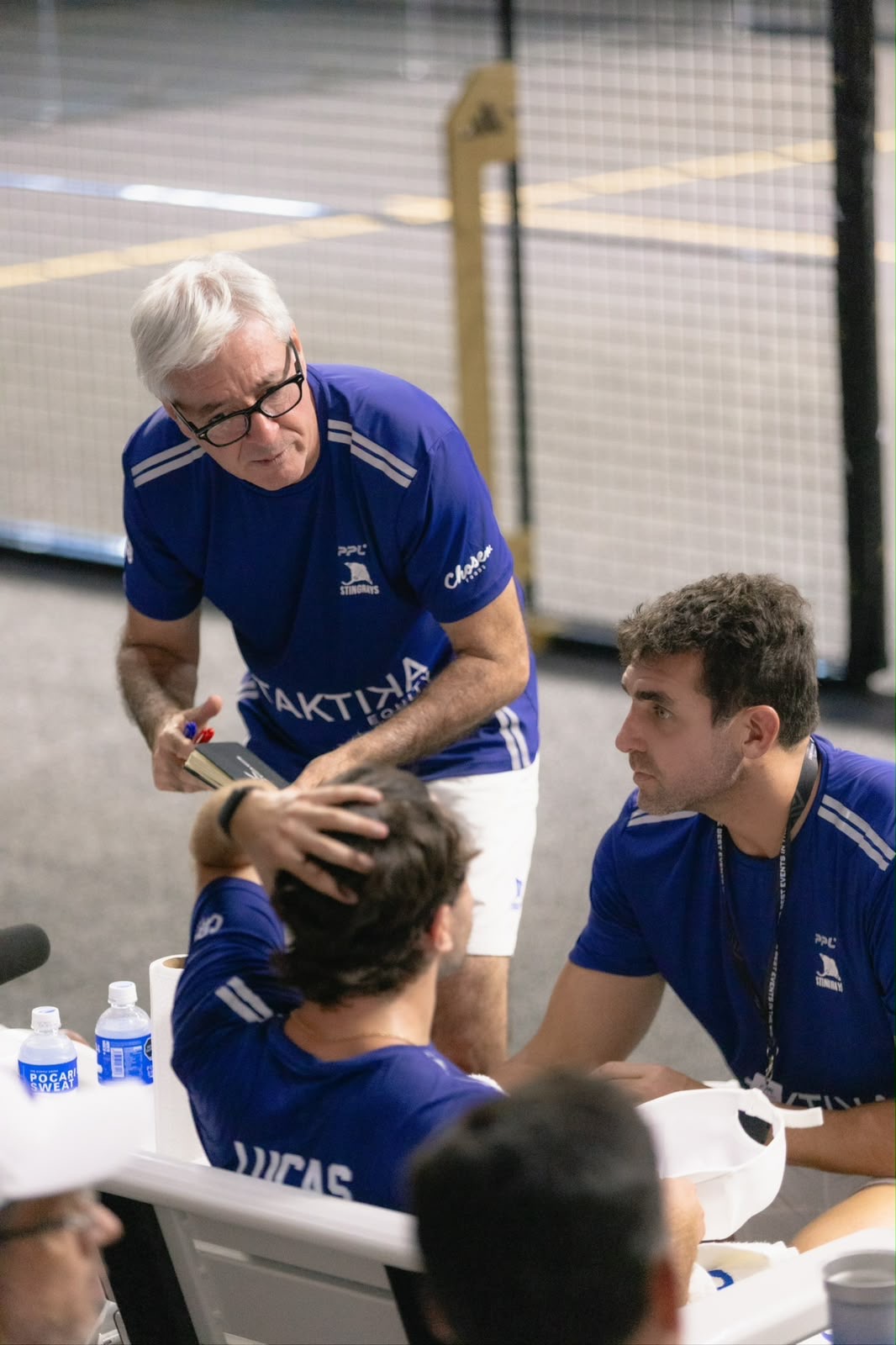
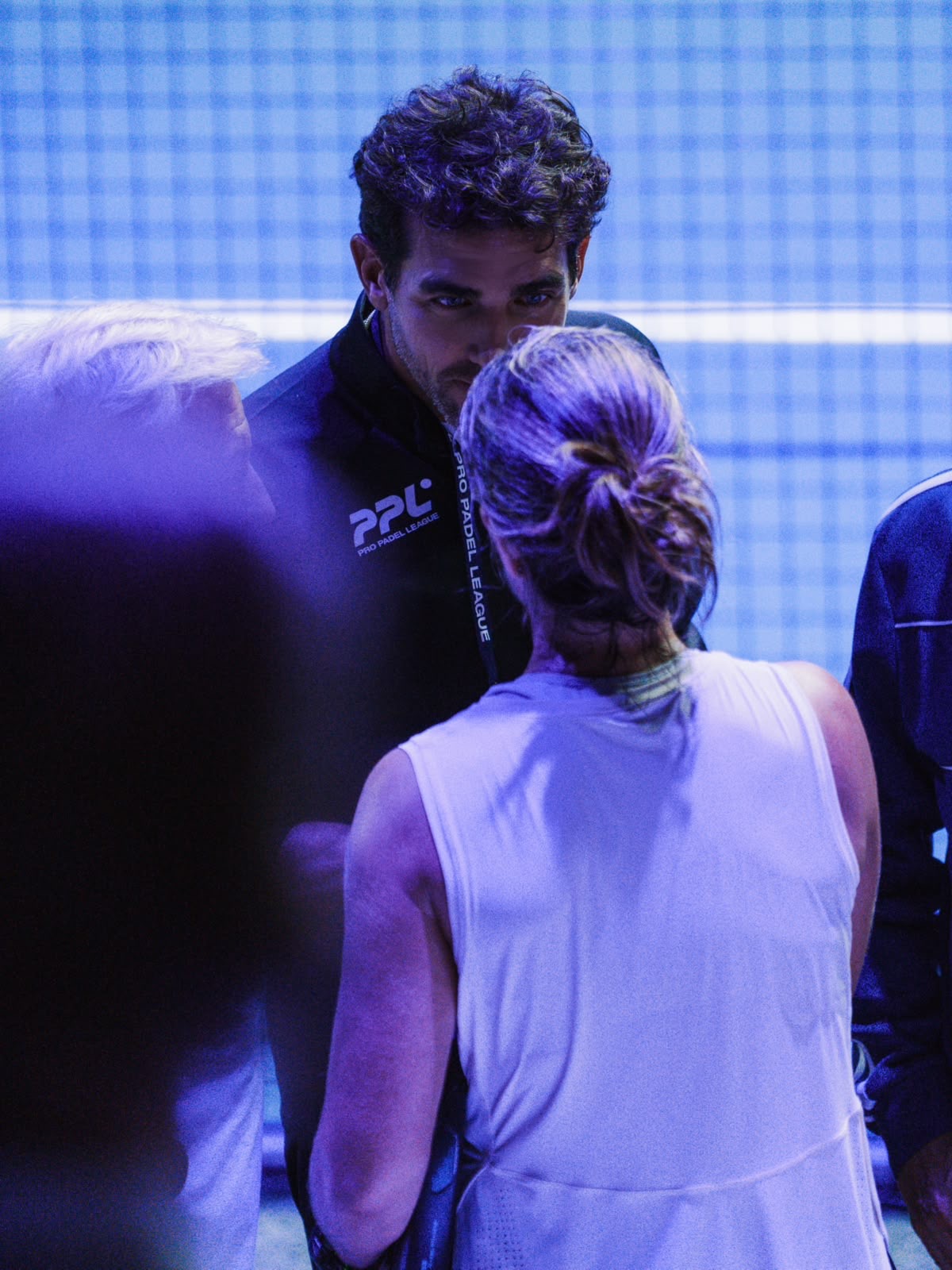
It happened almost without me looking for it. I always say I was in the right place, at the right time, with the right people. Ryan and Gabriel at Taktika believed in me and gave me the freedom to bring my previous experience into the sports business. It worked, and I earned their trust. I’d always wanted to work in sports, and I fell in love with padel. Suddenly I had the privilege of working closely with professional players and being around events like Premier Padel, the PPL and Hexagon. Being surrounded by people I admire made me realise this was what I wanted to do for the rest of my life. I’m very grateful for that opportunity.
Momentum
Momentum Sports Solution appears in your bio. What is it, and how did it come about?
I’ve spent the last year and a half trying to understand where the real opportunities are in this fast-growing padel industry, while being careful not to confuse excitement with a sustainable business. I also wanted to identify the areas where I can genuinely add value and enjoy the journey. Together with some colleagues, and with support from Taktika, we’ve started Momentum Sports Solution. It’s an umbrella for several projects and services, connecting people and opportunities across sport, not just padel. It’s ambitious, and probably deserves a whole separate conversation, but we’re building it step by step.
London life
How are you finding life in London, and what was it like meeting coaches from across the UK at World Padel Network’s Clash of the Coaches?
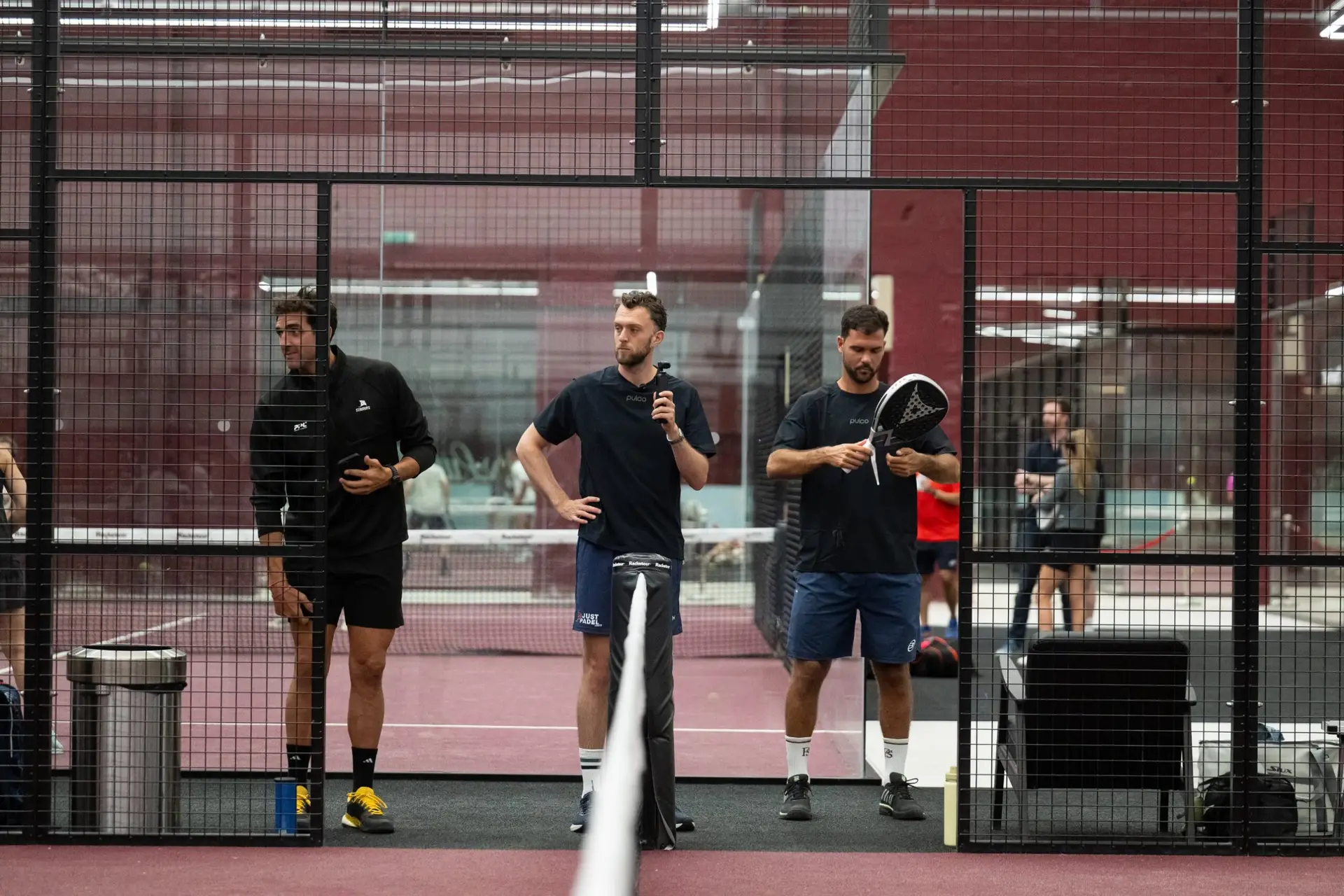
I love London. It genuinely feels like home now. I’m lucky to share this chapter with my girlfriend, who’s the main reason I’m here. I’ve met amazing people both inside and outside sport, and they’ve made the transition feel very natural. I’ve been to some great events, and Clash of the Coaches was definitely one of my favourites. It was fun meeting coaches from different places, hearing their stories and understanding how padel is developing in areas I knew very little about. More than anything, I met some lovely people.
An architect’s eye
When you walk into a padel club, what do you notice about the building itself – the layout, the light, the space off court?
I can’t help looking at a club through both an architect’s eye and a player’s eye. I notice how the courts are arranged, where the café and changing rooms are, the lighting, the entrance, how people move through the building and whether the atmosphere feels welcoming. Sometimes small decisions can make a huge difference to the experience. I’ve been involved in a few padel-related projects, some of which may move forward soon, and this is also part of the advisory work we’re developing at Momentum. It’s something I automatically analyse whenever I walk into a club.
London’s own path
You’ve played and worked in Uruguay, the US and now London. Is there anything London padel should take from other markets?
I actually don’t think London should simply copy another market. I’ve experienced padel in Uruguay, Argentina, the US, Spain and now the UK, and every market has its own culture, community and way of growing. I think London is finding its own path, and broadly it’s moving in the right direction. The one area I’d really like to see more investment in is youth development. The UK has the resources to create its own high-performance environment so young players don’t have to go abroad to access serious training. With the right commitment from clubs, coaches and organisations like the LTA, I believe the UK could make a major impact on competitive padel in the coming years. That’s also a big part of what we want to build with The Lab.
Lessons from Taktika and the Stingrays
Tell us about one decision at Taktika or with the Stingrays that worked, and one that didn’t.
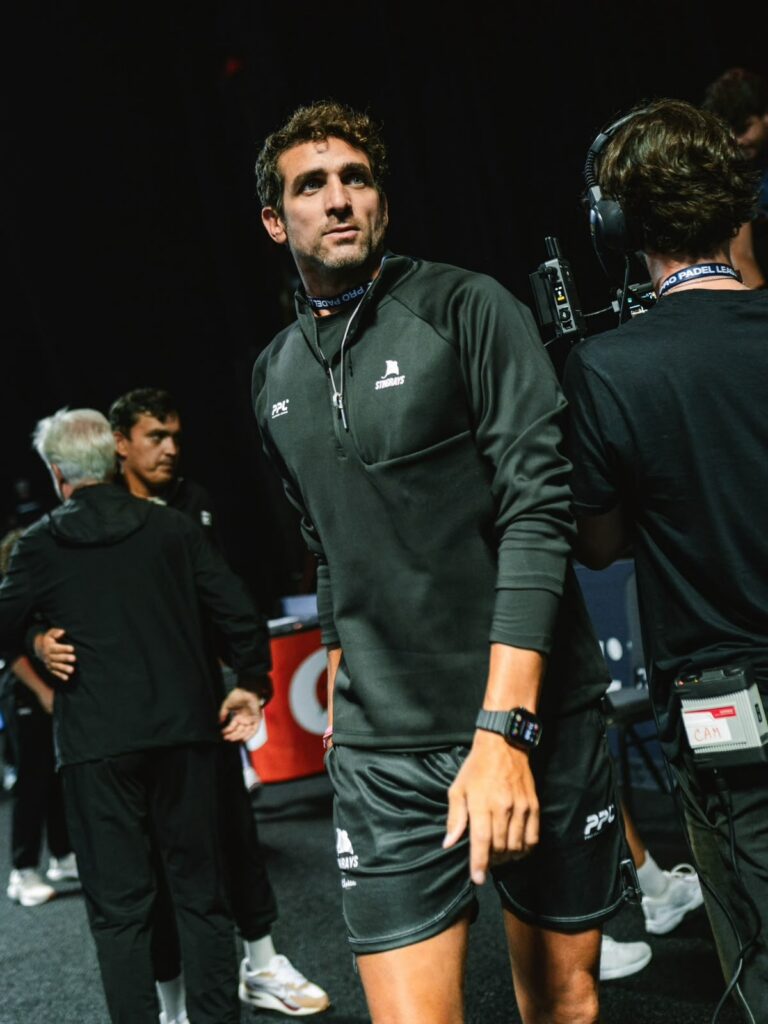
I think everyone in this industry is still learning how the market works and, more importantly, understanding the consumer. Some of our best decisions at Taktika were building strong teams, developing KRU Padel, our involvement with the Stingrays in the PPL, and investing in the education and development of coaches. What didn’t work as well? Probably moving too fast and trying to open too many clubs at once before fully understanding the market. One of the biggest lessons is that growing fast doesn’t necessarily mean growing well.

The misconception
What’s something most people in UK padel believe that you think is wrong?
I think one of the biggest misconceptions, not just in the UK but worldwide, is confusing the growth of the sport with the growth of the business. They’re not necessarily proportional. Just because padel is growing incredibly fast doesn’t mean every business around it will grow at the same pace or become profitable. I think that’s one of the biggest mistakes people are making in this industry right now.
The Lab
What are you working on next, and which project matters most to you personally?
We’re currently developing Momentum Sports Solution, which some people may have already heard about. It’s a platform with several branches, all focused on connecting people, creating opportunities and helping develop the sports industry beyond just padel. But the project I’m personally most passionate about is The Lab. My ambition is to create a high-performance academy where young players can learn, develop and access the coaching, facilities and support they need to reach their potential, without having to move abroad to train and compete. I genuinely believe London has the resources, the talent and, most importantly, the people willing to make this happen. We just need to bring them together. For me, that’s probably the most ambitious and personal project we’re working on.